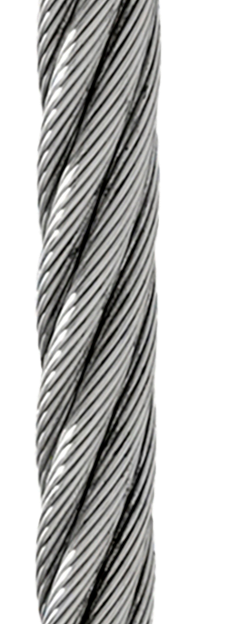
Barrier cables, also known as guard cables or wire rope safety barriers, play a critical role in ensuring the safety of vehicles and pedestrians. These post-tensioned steel-stranded restraints can withstand significant force, making them ideal for parking garages and similar structures.
Applications of Barrier Cables:
High-strength fencing
- Roadway barriers
- Barrier replacement on existing structures
- Safety code upgrades
- Aesthetic and secure restoration projects
- Retrofits to add steel cables
Types of Barrier Cables:
Galvanized Barrier Cables: The most common type, coated with zinc to prevent corrosion.
Plastic Coated Barrier Cables: Sheathed in plastic to prevent rust and allow color customization, like post-tensioning tendons.
Key Components of Barrier Cable Systems:
CABLES: Available in various thicknesses but typically are half an inch.
POSTS: Made of steel or concrete, calculated for optimal distance and type.
INTERMEDIATE SUPPORT: Control deflection and prevent sagging over continuous runs.
ANCHORAGES AND END FITTINGS: Essential for attaching cables to posts and ensuring system performance.
CMC is a leader in designing, fabricating, installing, and servicing high-quality barrier cable systems. Our team adheres to all Post-Tensioning Institute guidelines, ensuring your system is safe and sturdy.
Ready to enhance your project with our world-class barrier cable systems? Learn more about CMC barrier cable services in your area.